2026年6月19~20日,第七届中国临床肿瘤学会(CSCO)肿瘤微创外科专家委员会学术会议暨第九届全国直肠肿瘤外科技术与综合治疗专家论坛暨2026年上海市抗癌协会胃肠肿瘤腹腔镜专业委员会年会在上海圆满召开。本次大会汇聚国内外胃肠肿瘤领域顶尖专家学者,聚焦肿瘤微创诊疗、肿瘤预防、基础机制研究与临床转化等前沿热点,共享学术成果、共探行业发展新方向。
大会现场,《肿瘤瞭望消化时讯》特邀新西兰肿瘤学会主席Rachel Purcell教授接受专访。Purcell教授长期深耕结直肠癌预防领域,在肿瘤防控策略、肠道微生物临床应用、全球肿瘤防治协作等方面拥有深厚造诣与丰富经验。以下为本次专访完整内容。
专家简历
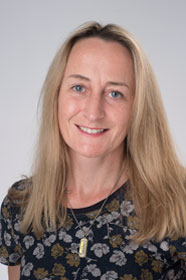
Rachel Purcell高级研究员
2015年—至今 奥塔哥大学克赖斯特彻奇校区外科系 高级研究员/项目首席研究员、研究员、博士后研究员
2023年—至今 奥塔哥大学克赖斯特彻奇校区外科与危重症医学系 临床与转化研究负责人
2023年 新西兰奥塔哥大学奥塔哥女性领导力研修项目
2012 年—2014年 法国里昂世界卫生组织国际癌症研究机构(IARC)科研专员(出版物方向)
长期聚焦微生物组调控结直肠癌及其他胃肠道疾病分子机制的相关研究。现阶段研究采用创新多组学技术,整合肿瘤转录组学与宏基因组学,解析肠道微生物群落诱发不同分子亚型结直肠癌的作用机制。
肿瘤瞭望消化时讯
您职业生涯长期聚焦结直肠癌预防领域。近年来,您是否观察到肿瘤领域对癌症预防的重视度正在显著提升?
我认为目前肿瘤研究与临床医疗领域,仍需要进一步、更大力度地向癌症预防方向转型。当前全球范围内,癌症相关的资金投入仍集中于肿瘤治疗领域,包括新型抗肿瘤药物的研发。诚然,创新药物与治疗手段是攻克癌症的重要基石,不可或缺。
但我们必须明确,多数癌症的发生都与可调控的生活方式、环境因素及行为危险因素密切相关。现阶段最大的难题在于,我们已知晓诸多致癌风险因素,却难以将这些科研结论转化为全民层面的防控成效。癌症预防工作需要政府统筹的公共卫生政策支撑,而预防体系的搭建、资金投入与长期运维,都存在诸多现实难点。
从卫生经济学与患者获益的双重角度来看,癌症预防的价值极高。源头预防癌症的成本,远低于中晚期肿瘤的治疗成本,同时能够极大减少患者及其家庭承受的痛苦。
不过,癌症预防工作的推进也面临一定的政治壁垒。公共卫生政策的迭代更新速度较慢,且不同政府任期、不同资金扶持周期,都难以保障肿瘤预防策略的长期稳定性落地。即便如此,我始终坚信,我们必须将部分肿瘤科研与医疗资源倾斜至预防领域,其全民层面的长远获益是不可估量的。
Prof. Rachel Purcell: I think cancer research and healthcare still need a much stronger shift toward prevention. Around the world, most of the money and investment in cancer is still focused on treatment, including developing new anti-cancer drugs. That is obviously important, but we also know that many cancers are linked to modifiable lifestyle, environmental and behavioural risk factors.
The challenge is that turning that knowledge into real population-level change is difficult. It requires coordinated public health policy across government, and those kinds of prevention programmes are not always easy to design, fund or sustain.
From both a cost-effectiveness and patient perspective, prevention makes a huge amount of sense. Preventing cancer in the first place is far less costly than treating it, and it avoids an enormous amount of suffering for patients and families.
But prevention is also politically difficult. Public health policy can be slow to change, and it is hard to maintain long-term preventive strategies across different governments and funding cycles. Even so, I strongly believe we need to shift at least some of our cancer research and healthcare investment toward prevention, because the potential benefits at a population level are enormous.
肿瘤瞭望消化时讯
目前我们已明确诸多结直肠癌危险因素,也拥有成熟的筛查手段,但全球结直肠癌疾病负担仍在持续攀升。在您看来,核心瓶颈与最大挑战是什么?
Rachel Purcell教授
我认为当前最核心的挑战,是难以将人群流行病学研究结论与实验室机制研究成果有效打通、精准衔接。
举个典型的例子,流行病学研究已证实,大量摄入红肉、长期饮酒是结直肠癌的独立危险因素。但仅凭相关性研究,能获得的信息十分有限。如果我们想要制定精准、高效的预防策略,为公共卫生防控政策提供强有力的依据,就必须深挖这些风险因素背后的生物学机制。通俗来说,就是明确这些外界暴露因素如何改变人体生理状态、如何差异化影响不同人群的癌变风险、如何推动结直肠癌的早期发生发展。
目前,我们仍缺乏充足的高质量机制研究数据,无法完整、清晰地验证结直肠癌的致病通路与核心机制。除此之外,全球相关科研工作存在碎片化问题。全球有众多优秀的科研团队深耕该领域,但各团队研究方向相对独立,缺乏高效的整合机制与跨团队协作体系,科研资源与成果难以互通融合。
这也是我所在团队近年来积极搭建国际合作体系的原因之一。我认为这类跨国的科研协作平台至关重要,他能够整合全球顶尖的科研技术、海量临床数据与多元化研究视角,助力我们更精准地破解结直肠癌发病的底层机制,突破现有研究瓶颈。
Prof. Rachel Purcell:In my view, one of the biggest challenges is connecting what we see in population studies with what we can prove mechanistically in the lab.
For example, we know from epidemiological studies that high red meat intake and alcohol consumption are independent risk factors for colorectal cancer. But correlations alone only take us so far. If we want to design effective prevention strategies, and make a strong case for public health action, we also need to understand the biology behind those associations. That means working out how these exposures change the body, alter cancer risk in different individuals, and contribute to the earliest stages of colorectal cancer development.
At the moment, we still don’t have enough high-quality mechanistic data to properly prove how these pathways work. One of the other challenges is that the research effort globally is still quite fragmented. There are lots of excellent groups working in this space, but we need better ways to bring that work together and coordinate across teams.
That is one of the reasons we have been building strong international collaborations over the past few years. I think these cross-border research networks are going to be really important, because they allow us to combine expertise, datasets and perspectives in a way that helps us get much closer to understanding the underlying mechanisms of disease.
肿瘤瞭望消化时讯
您的多项研究聚焦肠道微生物与结直肠癌的关联。在您看来,该领域哪些研究突破最有望落地于肿瘤预防与临床诊疗,真正改变临床实践?
Rachel Purcell教授
从临床应用角度而言,靶向肠道微生物的干预手段具备极高的转化潜力,主要包括饮食调控、活体生物治疗产品、粪便微生物移植等多种方式。
这类微生物干预策略的价值体现在两大核心维度。一方面,能够有效优化结直肠癌患者的治疗应答效果,提升整体治疗有效率;另一方面,可显著缓解临床治疗带来的不良反应。目前临床中结直肠癌的全身治疗方案普遍存在一定毒性,不仅会严重影响患者生活质量,还常常导致患者不得不减量治疗、暂停治疗,最终影响整体治疗进程与预后。
如果我们能够依托肠道微生物调控技术优化患者不良反应管理,就能够帮助患者更好地耐受全程治疗,保障治疗的连续性与完整性。我认为这是极具前景的研究方向,未来肠道微生物干预手段必将成为肿瘤支持治疗体系中的重要组成部分。
Prof. Rachel Purcell: From a clinical point of view, I think there is real potential in targeting the gut microbiome, whether through diet, live biotherapeutic products, or approaches such as faecal microbiota transplantation.
These strategies may help improve how patients respond to treatment, but they could also play an important role in reducing side effects. Many of the systemic treatments we use for colorectal cancer can cause significant toxicity, and that can have a major impact on quality of life. It can also mean patients need dose reductions or treatment breaks.
If we can use microbiome-based approaches to better manage those side effects, we may be able to help patients stay on treatment for longer and tolerate it better. I think this is a really promising area, and that the gut microbiome is likely to become an important part of supportive care in cancer.
肿瘤瞭望消化时讯
作为新西兰肿瘤学会主席,新西兰在癌症预防与肿瘤筛查领域有哪些成熟经验,值得全球借鉴与推广?
Rachel Purcell教授
新西兰在烟草管控与戒烟干预领域长期处于全球领先地位。我们制定的控烟防控体系、青少年烟草清零的阶段性目标与长远规划,为全球多国提供了重要参考,被诸多国家借鉴落地,有效推动了全球青少年烟草防控工作。
除此之外,新西兰虽国土面积小、人口基数少,但在全球肿瘤防控领域的影响力远超自身体量。对于小国科研与医疗发展而言,国际化协作是核心发展路径。我们长期深耕跨国、跨学科科研合作,搭建了稳定、多元的国际合作体系。
依托这些合作平台,我们能够将本土的肿瘤预防政策、临床筛查经验与全球顶尖科研资源融合,深度参与全球肿瘤防控体系建设,为全球肿瘤防治共识、策略制定贡献力量。这种“本土实践+全球协作”的发展模式,是新西兰肿瘤防控领域最核心的优势,也是我们希望分享给全球同行的经验。
Prof. Rachel Purcell: New Zealand has been a world leader in tobacco control and smoking cessation. Our approach has influenced other countries, particularly in setting ambitious goals around reducing, and ultimately eliminating, tobacco use among young people.More broadly, I think New Zealand often has an impact that is much bigger than our size would suggest. As a small country, international collaboration is really central to the way we work. We have strong research relationships across countries and disciplines, and those partnerships allow us to contribute to much larger global conversations.
That ability to work collaboratively, and to connect local research and policy experience with international expertise, is one of New Zealand’s real strengths.
肿瘤瞭望消化时讯
如果未来十年,您希望在结直肠癌预防领域实现一项关键性变革,您最期待达成的目标是什么?
Rachel Purcell教授
我最希望看到的,是全社会尤其是基层临床一线,大幅提升对年轻人群结直肠癌发病症状的重视程度。
当前,50岁以下人群结直肠癌误诊、漏诊、延迟诊断的问题十分突出。为解决这一问题,一方面我们需要为该群体提供更完善的医疗保障,面向大众科普需要警惕的相关症状,同时也要让临床医生充分意识到年轻结直肠癌患者的临床表现具有特殊性。如果能够同时提高患者和临床医生两房对疾病的认知,就能有限降低晚期才确诊的年轻结直肠癌患者的数量。
Prof. Rachel Purcell: I hope we will see much greater awareness of the need to take symptoms seriously in younger patients, particularly in primary care and other frontline clinical settings.
For people under 50, delayed diagnosis remains a major problem. We need better support for this group, better public education about which symptoms to look out for, and greater clinical awareness that colorectal cancer can present differently in younger people.
If we can improve awareness on both sides, for patients and clinicians, we should be able to reduce the number of young people being diagnosed at a late stage.
本次专访围绕结直肠癌预防痛点、基础科研转化、临床新技术、全球防控协作等核心议题展开,为全球胃肠肿瘤预防体系建设提供了全新思路,也为国内结直肠癌早防、早筛、早治工作提供了重要借鉴。