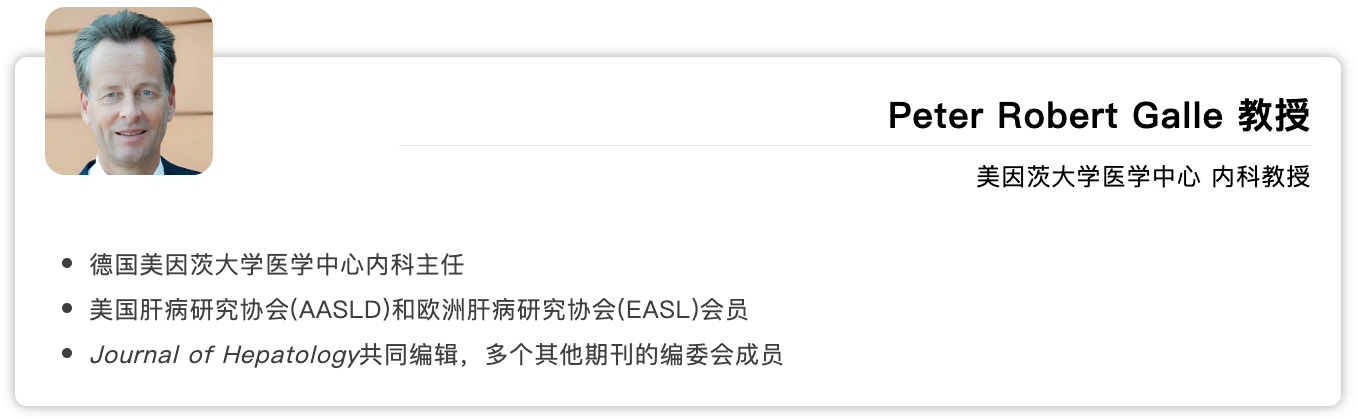
肝细胞癌(HCC)是临床常见的原发性肝脏恶性肿瘤,多数患者确诊时已进展至中晚期。经动脉化疗栓塞(TACE)是目前中期HCC的标准治疗方案,但其疗效仍有局限。在2026年美国临床肿瘤学会胃肠道肿瘤研讨会(ASCO GI)上,德国美因茨大学医学中心的Peter Robert Galle教授报告了两项重要研究:IKF-035/ABC-HCC研究(摘要号478),评估了阿替利珠单抗联合贝伐珠单抗对比TACE治疗中期HCC患者的疗效;CheckMate 9DW研究(摘要号LBA479),公布了纳武利尤单抗联合伊匹木单抗在不可切除HCC一线治疗中长达4年的随访结果。这两项研究为HCC的系统治疗提供了重要证据。《肿瘤瞭望消化时讯》将深入解读其研究背景与关键结果,以期为临床实践提供参考。
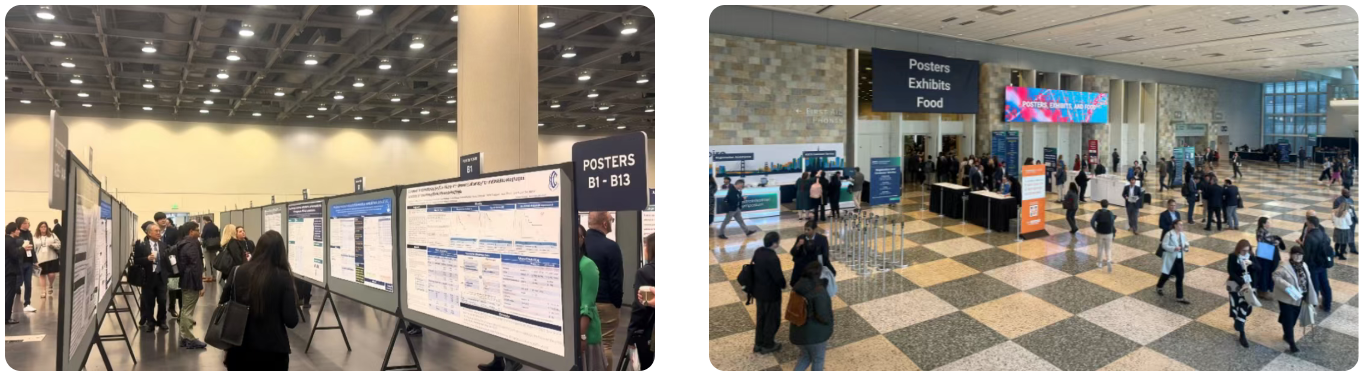
《肿瘤瞭望消化时讯》在2026 ASCO GI现场报道
研究一
中文标题:IKF-035/ABC-HCC——阿替利珠单抗联合贝伐珠单抗对比TACE治疗中期HCC的Ⅲb期、随机、多中心、开放标签试验
英文标题:IKF-035/ABC-HCC: A phase Ⅲb, randomized, multicenter, open-label trial of atezolizumab plus bevacizumab versus transarterial chemoembolization (TACE) in intermediate-stage hepatocellular carcinoma
摘要号:478
研究背景
HCC是全球范围内最常见且致死率最高的恶性肿瘤之一。TACE作为局部治疗手段,是目前中晚期(BCLC B期)HCC的标准治疗方案。IMbrave150 Ⅲ期研究表明,对于TACE治疗失败或不适合TACE的晚期和中晚期HCC患者,抗PD-L1抗体阿替利珠单抗联合抗VEGF抗体贝伐珠单抗的一线治疗方案较索拉非尼可延长生存期,并因此被批准用于该适应症。然而,对于原本应按标准方案接受TACE治疗的中期HCC患者,阿替利珠单抗联合贝伐珠单抗是否优于TACE尚不明确。尽管已有若干试验正在评估TACE联合系统治疗对比单纯TACE的获益差异,但ABC-HCC试验直接比较了阿替利珠单抗联合贝伐珠单抗及系统治疗对比TACE的疗效和安全性。本研究采用分组序贯设计,计划在信息成熟度达到33%和66%时进行两次中期分析,以评估疗效/无效性。
研究方法
ABC-HCC是一项国际、多中心、随机、开放标签、由研究者发起的Ⅲb期临床试验,旨在直接比较阿替利珠单抗联合贝伐珠单抗对比TACE在中期HCC或经主治医师判断具有TACE适应证的HCC患者中的疗效。研究计划纳入320例确诊HCC患者,入选标准包括:不适合根治性手术/消融或肝移植,但适合TACE治疗;无肝外转移;无大血管侵犯(Vp1/2型门静脉侵犯除外);ECOG评分≤1;Child-Pugh分级为A级或B7级。患者按1:1随机分配接受系统治疗(A组:阿替利珠单抗,1200 mg静脉注射;贝伐珠单抗,15 mg/kg静脉注射;每3周一次;最长治疗24个月)或TACE治疗(B组:按需进行,由研究者评估认为可继续接受TACE时再进行)。每8周进行一次影像学检查(CT/MRI),以评估主要终点“治疗策略失败时间”(TTFS:从随机分组到死亡或需要其他治疗方案的时间)。本研究报告了在33%信息成熟度时进行的首次疗效/无效性中期分析结果。
研究结果
截至数据分析时,已在奥地利、法国、德国、印度、意大利、日本和西班牙的54个研究中心入组206例患者。在数据截止日期,共有194例患者完成随机分组,其中168例患者随访时间≥3个月,被纳入本次中期分析(A组:87例;B组:81例)。在主要终点TTFS方面,共记录到100起事件(A组:44例;B组:56例)。系统治疗组的中位TTFS为14.6个月,TACE治疗组为9.5个月(HR=0.55;95%CI:0.36~0.83)。基于上述结果,本研究将继续进行。
研究结论
首次中期分析的结果为评估阿替利珠单抗联合贝伐珠单抗对比TACE在中期HCC患者中的疗效提供了重要依据,并提示在TTFS方面,系统治疗可能优于TACE。基于该发现,本研究将推进至66%信息成熟度(169例事件)时的第二次中期分析[1]。
研究者说
关于IKF-035/ABC-HCC研究,亚组设计在入组时已考虑肿瘤负荷、病灶数量和肝功能分层等因素,这些信息将通过次要终点或描述性分析收集。对比TACE,阿替利珠单抗联合贝伐珠单抗在中期HCC患者中的主要临床获益,目前首次中期分析结果尚不完全,我们预期将在包括OS在内的终点中观察到优效性。基于现有结果,该研究可能促使临床实践中更多BCLC B期患者接受联合治疗。
研究二
中文标题:纳武利尤单抗联合伊匹木单抗对比仑伐替尼或索拉非尼一线治疗不可切除HCC:CheckMate 9DW试验的4年随访结果
英文标题:Nivolumab plus ipilimumab vs lenvatinib or sorafenib as first-line treatment for unresectable hepatocellular carcinoma (HCC): 4-year follow-up of CheckMate 9DW
摘要号:LBA479
研究背景
在CheckMate 9DW研究(NCT04039607)预先设定的中期分析中,中位随访35.2个月的结果显示,在未经治疗的不可切除HCC患者中,纳武利尤单抗联合伊匹木单抗(NIVO +IPI)较仑伐替尼或索拉非尼(LEN/SOR)显著延长了总生存期(OS)(HR=0.79;95%CI:0.65~0.96;P=0.0180),客观缓解率(ORR)更高(36% vs. 13%,P<0.0001),且缓解持续时间更长,安全性良好[2]。基于这些结果,NIVO+IPI联合方案已获得美国FDA、欧盟委员会及其他国家批准,作为不可切除HCC的一线治疗方案。本文报告了中位随访4年的最新疗效和安全性结果。
研究方法
本研究纳入经组织学确诊、既往未接受过系统治疗的晚期HCC成年患者,这些患者不适合接受或经根治性手术/局部区域治疗后疾病进展,根据RECIST v1.1标准,未治疗病灶≤1个,Child-Pugh评分为5或6分,ECOG体能状态评分为0或1分。患者按1:1的比例随机分组,分别接受NIVO 1 mg/kg+IPI 3 mg/kg每3周一次(最多4个周期)治疗,随后接受NIVO 480 mg每4周一次治疗,或由研究者选择SOR 400 mg每日两次或LEN 8 mg或12 mg每日一次治疗,直至疾病进展或出现不可耐受的毒性反应。NIVO的给药时间最长为2年。主要终点为OS;次要终点包括由盲态独立中心评估(BICR)的ORR和缓解持续时间(DOR)。
研究结果
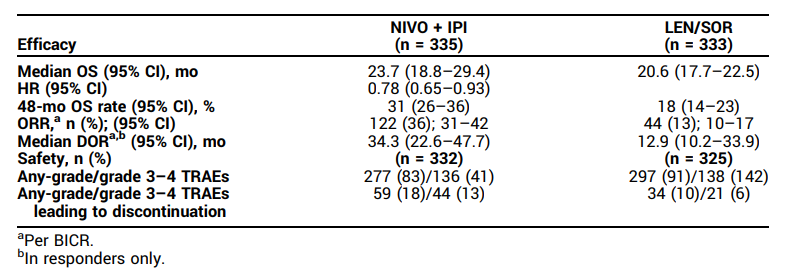
共有668例患者随机分配至NIVO+IPI组(n=335)或LEN/SOR组(n=333);在LEN/SOR组的325例患者中,275例(85%)接受了LEN治疗。经过52.5(44.0~66.1)个月的中位随访后,NIVO+IPI方案与LEN/SOR方案相比,持续显示出OS获益(HR=0.78;95%CI:0.65~0.93),且48个月OS率更高(31% vs. 18%)。NIVO+IPI方案的ORR高于LEN/SOR方案(36% vs. 13%),完全缓解率也更高(分别为8% vs. 2%),且DOR更长(中位DOR分别为34.3个月 vs. 12.9个月)(表1)。治疗相关不良事件(TRAE)的汇总见表1。
表1. 研究结果
研究结论
经过4年的随访,一线NIVO+IPI方案在不可切除的HCC治疗中持续表现出优于LEN/SOR方案的疗效获益,且安全性可控,未出现新的安全性问题。上述结果进一步支持NIVO+IPI方案作为此类患者的标准治疗方案[3]。
研究者说
开展CheckMate 9DW研究并设置4年随访期,主要是考虑到目前仍有相当一部分患者对Imbrave150或Himalaya方案无应答,存在未被满足的临床需求。在长期随访中,纳武利尤单抗联合伊匹木单抗的关键生存数据显示,4年总生存率达31%,相较于对照组的18%表现突出。在安全性方面,未观察到新的不良事件,免疫相关不良事件通常较早发生,长期管理未见新增风险。这些长期结果进一步确认了该联合方案在不可切除HCC一线治疗中的良好疗效和可靠安全性,为临床实践提供了重要依据。
参考文献:
[1] Peter Robert Galle, et al. 2026 ASCO GI. Abstract 478.
[2] Yau T, et al. Lancet. 2025 May 24;405(10492):1851-1864.
[3] Peter Robert Galle, et al. 2026 ASCO GI. Abstract LBA479.
Abstract 478摘要原文
IKF-035/ABC-HCC: A phase Ⅲb, randomized, multicenter, open-label trial of atezolizumab plus bevacizumab versus transarterial chemoembolization (TACE) in intermediate-stage hepatocellular carcinoma
BACKGROUND:
Hepatocellular carcinoma (HCC) is among the most common and deadliest cancers worldwide. Locoregional treatment (LRT) with transarterial chemoembolization (TACE) is standard of care (soc) for intermediate stage (BCLC B) HCC. The IMbrave150 phase 3 study demonstrated that combination of the anti-PD-L1 antibody atezolizumab and the anti-VEGF antibody bevacizumab (atezo/bev) extends survival compared to sorafenib in first-line treatment of advanced and intermediate stage HCC failing/unsuited for TACE which has led to its approval in this setting. However, it is unknown if atezo/bev is more efficacious than TACE in patients with intermediate stage HCC patients who would be treated with TACE per soc. While several trials assess the benefit of adding systemic therapy to TACE vs. TACE alone, the ABC-HCC trial directly compares the efficacy and safety of systemic treatment with atezo/bev vs. TACE. ABC-HCC is using a group sequential design with two planned interim analyses (IA) at 33% and 66% information time to assess efficacy/futility.
METHODS:
ABC-HCC is an international phase 3b, randomized, multicenter, open-label, investigator-initiated trial directly comparing atezo/bev vs. TACE in intermediate stage HCC or HCC with indication for TACE according to the treating physician. 320 patients with confirmed HCC (not amenable to curative surgery/ablation, liver transplantation, but amenable to TACE, no extrahepatic spread, no macrovascular invasion except for Vp1/2, ECOG ≤ 1, Child-Pugh A/B7) are randomized (1:1) to receive either systemic treatment (Arm A: atezo, 1,200 mg IV; bev, 15 mg/kg IV; Q3W; max. 24 months) or TACE (Arm B: on demand as long as TACEable as assessed by the investigator). Imaging (CT/MRI) is performed Q8W to determine the primary endpoint time to failure of treatment strategy (TTFS: Time from randomization until death or need for a further therapeutic option). Here, we report on the first efficacy/futility IA at 33% information time (85 events).
RESULTS:
To date, 206 pts have been enrolled at 54 centers in Austria, France, Germany, India, Italy, Japan and Spain. At data cut-off (06/13/2025), 194 pts were randomized, of whom 168 pts had a follow up duration of ≥ 3 months and were included in the IA (Arm A: 87; Arm B: 81). 100 events were observed for the primary endpoint TTFS (Arm A: 44; Arm B: 56). Median TTFS was 14.6 months in Arm A vs. 9.5 months in Arm B with a HR of 0.55 (95% CI [0.36, 0.83]). Based on these results, the trial was continued.
CONCLUSIONS:
The results of the first IA provide important insights into the efficacy of atezo/bev vs. TACE in intermediate stage HCC and suggest a superiority of systemic therapy compared to TACE in regard to TTFS. Based on these findings, the trial is progressing to the second IA at 66% information time (169 events).
Abstract LBA479摘要原文
BACKGROUND:
At a preplanned interim analysis of CheckMate 9DW (NCT04039607), with 35.2 months of median follow-up, nivolumab plus ipilimumab (NIVO + IPI) demonstrated significant overall survival (OS) benefit vs lenvatinib or sorafenib (LEN/SOR) (hazard ratio [HR] 0.79 [95% CI, 0.65-0.96]; P = 0.0180), higher objective response rate (ORR; 36% vs 13%, P < 0.0001) with durable responses, and manageable safety in patients (pts) with previously untreated unresectable HCC (Yau T et al. Lancet 2025;405:1851-64). Based on these results, NIVO + IPI combination was approved as a first-line (1L) treatment for unresectable HCC by the US FDA, European Commission, and in other countries. We report updated efficacy and safety results at a median follow-up of 4 years.
METHODS:
Adults with previously untreated histologically confirmed advanced HCC, either ineligible for or having progressed after curative surgical/locoregional therapies, ≤ 1 measurable untreated lesion per RECIST v1.1, Child-Pugh score 5 or 6, and ECOG performance status 0 or 1 were included. Pts were randomized 1:1 to receive NIVO 1 mg/kg + IPI 3 mg/kg Q3W (up to 4 cycles) followed by NIVO 480 mg Q4W or investigator's choice of SOR 400 mg BID or LEN 8 mg or 12 mg QD until disease progression or unacceptable toxicity. NIVO was given for a maximum of 2 years. The primary endpoint was OS; secondary endpoints included ORR and duration of response (DOR) per blinded independent central review (BICR).
RESULTS:
A total of 668 pts were randomized to NIVO + IPI (n = 335) or LEN/SOR (n = 333); among 325 pts treated in the LEN/SOR arm, 275 (85%) received LEN. After a median (range) follow-up of 52.5 (44.0-66.1) months, NIVO + IPI continued to show OS benefit vs LEN/SOR (HR, 0.78; 95% CI, 0.65-0.93), with higher 48-month OS rates (31% vs 18%; Table). ORR was higher with NIVO + IPI vs LEN/SOR (36% vs 13%), with higher complete response rates (8% vs 2%, respectively) and durable responses (median DOR, 34.3 vs 12.9 months, respectively; Table). A summary of treatment-related adverse events (TRAEs) is shown in the Table.
CONCLUSIONS:
After 4 years of follow-up, 1L NIVO + IPI continued to show sustained efficacy benefit vs LEN/SOR in unresectable HCC and manageable safety with no new concerns. These results continue to support NIVO + IPI as a standard-of-care treatment in these patients.