
肝细胞癌(HCC)是我国最常见的恶性肿瘤之一,围手术期管理是提升手术疗效、改善患者预后的关键环节。对于可切除但具有高复发风险的患者,新辅助治疗已成为降低术后复发的重要策略;而针对初始不可切除的患者,靶免联合经动脉化疗栓塞(TACE)则为实现有效疾病控制提供了重要证据。在近期举行的2026年美国临床肿瘤学会胃肠道肿瘤研讨会(2026 ASCO GI)上,两项聚焦“靶向+免疫”治疗模式的中国研究同步公布初步结果,分别探索了可切除肝癌的新辅助治疗策略与不可切除肝癌的靶免联合TACE治疗路径,为肝癌围手术期治疗的精准优化提供了新的循证依据。本文将对这两项研究的研究设计、研究结果与临床意义进行深入解读,围绕靶免联合方案在HCC不同治疗场景下的应用价值、安全性管理及生物标志物探索等核心议题展开探讨,以期为临床实践提供参考。
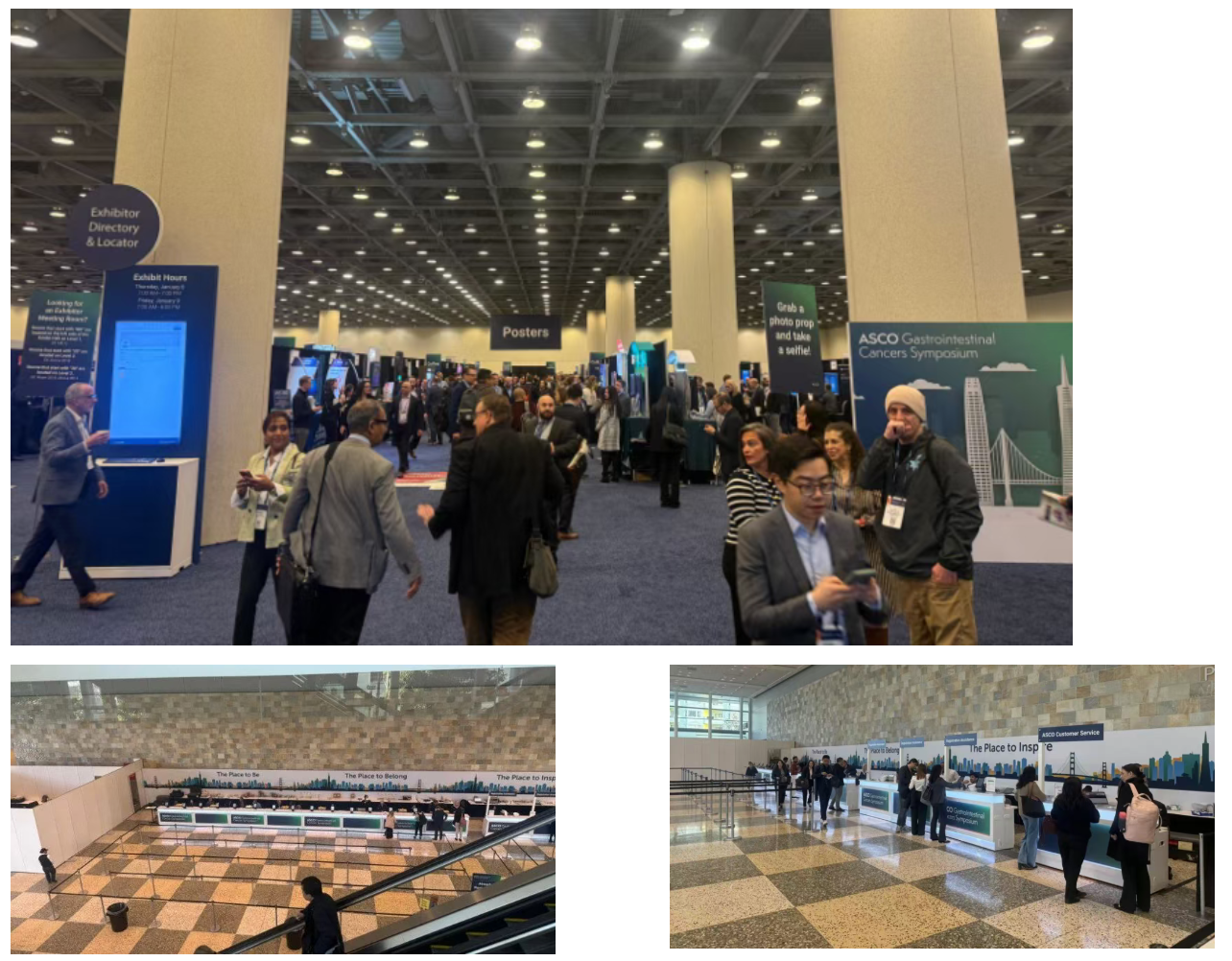
《肿瘤瞭望消化时讯》在2026 ASCO GI现场报道
研究一
信迪利单抗联合仑伐替尼对比肝动脉灌注化疗(HAIC)用于高复发风险可切除肝细胞癌的新辅助治疗:一项前瞻性、两组、随机、Ⅱ期临床研究
英文标题:Sintilimab combined with lenvatinib versus hepatic artery infusion chemotherapy (HAIC) for neoadjuvant treatment of resectable hepatocellular carcinoma with high risk of recurrence: A prospective, two-arm, randomized, phase II clinical study
讲者:房锋(天津医科大学肿瘤医院)
摘要号:564
新辅助治疗可有效降低具有高复发风险的可切除HCC的术后复发率,但目前最佳有效的新辅助治疗方案仍在探索中。这项Ⅱ期研究旨在比较仑伐替尼联合信迪利单抗对比HAIC作为多发病灶可切除HCC新辅助治疗的安全性和有效性。
研究方法
本研究(NCT05519410)纳入了经研究者术前评估,符合以下至少一项风险因素的原发性可切除HCC患者:CNLCⅠb期(2~3个病灶,最大直径≤3 cm)或CNLC Ⅱa期(2~3个病灶,最大直径>3 cm)。经评估患者ECOG 0~1分,Child-Pugh A级,既往无抗肿瘤治疗史,且至少有一个可测量病灶。符合条件的患者被随机分配接受2个周期的信迪利单抗(200 mg,Q3W)联合仑伐替尼(8 mg,QD)(LEN+PD-1组)治疗,或接受2个周期的HAIC-FOLFOX方案(奥沙利铂85 mg/m²,亚叶酸400 mg/m²,5-氟尿嘧啶400 mg/m²推注后2400 mg/m²持续24小时输注)(HAIC组)治疗,并于治疗结束后3~4周内进行手术。主要终点为1年无病生存率。次要终点包括微血管侵犯发生率、病理完全缓解(pCR)率、主要病理缓解(MPR)率、客观缓解率(ORR)、2年无病生存率、2年总生存期(OS)率及安全性。
研究结果
截至2025年8月,共筛选68例患者,58例被随机分入LEN+PD-1组和HAIC组,两组分别有25例和28例患者接受了手术。在LEN+PD-1组和HAIC组中,分别有71.4%和66.7%的患者为CNLC Ⅱa期。根据RECIST v1.1和mRECIST标准评估的确认ORR,在LEN+PD-1组分别为0%和28%,在HAIC组分别为10.7%和17.9%。LEN+PD-1组的pCR和MPR分别为4.0%和12.0%。而HAIC组无患者达到pCR或MPR。LEN+PD-1组的术后并发症发生率为8.0%,而HAIC组为35.7%。两组均未发生≥3级治疗相关不良事件(TEAEs)。LEN+PD-1组观察到更长的无病生存期趋势,相关数据仍在随访中。
研究结论
与HAIC相比,2个周期的新辅助信迪利单抗联合仑伐替尼方案在具有高术后复发风险的可切除HCC患者中显示出良好的安全性和有效性。尽管本研究数据展现出积极前景,但仍需开展Ⅲ期随机对照临床试验,以进一步验证其长期生存获益和安全性[1]。
研究二
中文标题:多纳非尼联合信迪利单抗及经动脉化疗栓塞治疗不可切除肝细胞癌:一项Ⅱ期、生物标志物探索性研究(DosinTACE)
英文标题:Donafenib and sintilimab plus transcatheter arterial chemoembolization for unresectable hepatocellular carcinoma: A phase II, biomarker exploratory study (DosinTACE)
讲者:胡晓云(南方医科大学南方医院)
摘要号:549
研究背景
尽管抗血管生成药物联合免疫检查点抑制剂目前已成为不可切除HCC的一线标准治疗策略,然而,患者OS、无进展生存期(PFS)和ORR仍存在提升空间。这项Ⅱ期研究旨在评估多纳非尼联合信迪利单抗及TACE方案在不可切除HCC患者一线治疗中的疗效、安全性及相关生物标志物特征。
研究方法
DosinTACE是一项单臂Ⅱ期研究,包括安全性导入期和扩展期。安全性导入期确定了多纳非尼的推荐剂量。既往未接受过系统治疗的不可切除HCC患者在16周内接受最多4个周期的TACE,并持续接受多纳非尼和信迪利单抗治疗,直至疾病进展或出现不可耐受的毒性。主要终点为基于mRECIST标准评估的ORR。并对肿瘤活检样本进行单核RNA测序(snRNA-seq)以分析肿瘤微环境特征。
研究结果
在扩展期,多纳非尼剂量调整为100 mg每日两次。共入组并分析了44例患者:中位年龄59.1岁;90.9%合并HBV感染;52.3%为BCLC C期,47.7%为B期;79.5%为多发性肿瘤;68.2%超过“up-to-seven”标准。中位随访15.2个月,根据mRECIST标准,ORR和疾病控制率(DCR)分别为81.8%和90.9%,中位缓解时间(TTR)为1.7个月。中位PFS为17.3个月(95%CI:7.3~NA),1年PFS率为51.8%(95%CI:35.5%)。根据RECIST 1.1标准,ORR和DCR分别为50.5%和90.9%,中位PFS为10.6个月(95%CI:6.8~NA),1年PFS率为49.8%(95%CI:33.8%)。中位OS尚未达到,1年OS率为83.5%(95%CI:72.1%)。40.9%的患者发生≥3级TEAEs,无治疗相关死亡。snRNA-seq分析显示,肿瘤微环境的异质性是治疗反应差异的驱动因素。无应答者的肿瘤细胞富集缺氧/糖酵解/增殖特征,并呈现CAF驱动的促纤维化、免疫“冷”微环境;而应答者则表现出活跃的免疫-肿瘤交互作用。
研究结论
DosinTACE研究表明,TACE联合多纳非尼和信迪利单抗在不可切除HCC患者中显示出良好的疗效和可控的安全性。此外,肿瘤内在的代谢和免疫差异是驱动治疗反应变异性的关键因素[2]。
参考文献:
[1] Feng Fang, et al. 2026 ASCO GI. Abstract 564.
[2] Xiaoyun Hu, et al. 2026 ASCO GI. Abstract 549.
Abstract 564摘要原文
Sintilimab combined with lenvatinib versus hepatic artery infusion chemotherapy (HAIC) for neoadjuvant treatment of resectable hepatocellular carcinoma with high risk of recurrence: A prospective, two-arm, randomized, phase II clinical study
BACKGROUND:
Neoadjuvant treatment is considered to effectively reduce the postoperative recurrence rate of resectable hepatocellular carcinoma (HCC) with a high risk of recurrence. But the optimal effective neoadjuvant treatment modality remains under investigation. This study aimed to compare the safety and efficacy of lenvatinib combined with sintilimab versus HAIC as neoadjuvant treatment for resectable HCC with multiple lesions.
METHODS:
This study (NCT05519410) enrolled patients (pts) with resectable primary HCC who met at least one of the following risk factors, as assessed by the investigators before surgery: CNLC stage Ib (2-3 tumors with the maximum diameter ≤3cm) or CNLC stage IIa (2-3 tumors, biggest >3 cm in diameter). Pts with ECOG 0-1, Child Pugh A, and without prior anti-tumor treatment had at least one measurable lesion. Eligible pts were randomly assigned to receive sintilimab 200 mg Q3W and lenvatinib 8 mg QD for 2 cycles (LEN+PD1) or HAIC-FOLFOX (oxaliplatin 85 mg/m2, LV 400 mg/m2, 5-FU 400 mg/m2 bolus and then 2400 mg/m2 as 24h continuous infusion) for 2 cycles (HAIC), and surgery was performed within 3-4 weeks after treatment. The primary endpoint was 1-year disease-free survival (DFS) rate. The secondary endpoints were incidence of microvascular invasion, pathological complete response (pCR) rate, major pathological response (MPR, defined as less than or equal to 10% viable tumor cells), objective response rate (ORR), 2-year DFS rate, 2-year overall survival (OS) rate, and safety.
RESULTS:
As of August 2025, 68 pts were screened and 58 were randomized to LEN+PD1 group (n=28) and HAIC group (n=30), 25 and 28 pts underwent surgery in both groups, respectively. In LEN+PD1 and HAIC groups, 71.4% and 66.7% of pts had CNLC stage IIa. Confirmed ORR based on RECIST v1.1 and mRECIST were 0% and 28% in LEN+PD1 group, 10.7% and 17.9% in HAIC group, respectively. The pCR and MPR (including pCR) rates were 4.0% and 12.0% in LEN+PD1 group. However, no pts achieved complete or major pathological response in HAIC group. Postoperative complications occurred in 8.0% of pts in LEN+PD1 group versus 35.7% in HAIC group. No grade 3 or higher TRAEs occurred in both groups. The trend towards longer DFS was observed in LEN+PD1 group, the data are still under follow-up.
CONCLUSIONS:
Two cycles of neoadjuvant sintilimab plus lenvatinib exhibited better safety and efficacy in resectable HCC with high risk of postoperative recurrence compared with HAIC. Additionally, the superior accessibility of this regimen supports its further promotion. While the data of this study are encouraging, randomized controlled phase III trials are still required to further validate the long-term survival benefit and safety.
Abstract 549摘要原文
Donafenib and sintilimab plus transcatheter arterial chemoembolization for unresectable hepatocellular carcinoma: A phase II, biomarker exploratory study (DosinTACE)
BACKGROUND:
Despite the combination of anti-angiogenics and immune checkpoint inhibitors being the standard for unresectable hepatocellular carcinoma (uHCC), further improvements are needed to prolong overall survival (OS), progression-free survival (PFS) and increase the objective response rate (ORR). This study evaluated the efficacy, safety, and biomarkers of donafenib and sintilimab plus TACE as the first-line treatment for uHCC.
METHODS:
DosinTACE is a single-arm phase II study that includes a safety run-in and an expansion phase. The safety run-in phase determined the recommended dose of donafenib. Systemic treatment-naive uHCC patients received up to four cycles of TACE within 16 weeks, along with donafenib and sintilimab until progression or intolerable toxicity. Primary endpoint was the ORR per mRECIST. Single-nucleus RNA sequencing (snRNA-seq) of tumor biopsy samples was performed to characterize the tumor microenvironment (TME).
RESULTS:
Donafenib was adjusted to 100 mg bid for the expansion phase. A total of 44 patients were enrolled and analyzed: median age, 59.1 years; 90.9% with HBV infection; 52.3% BCLC stage C and 47.7% BCLC stage B; 79.5% had multiple tumors; 68.2% exceeded the up-to-seven criteria. At a median follow-up of 15.2 months, according to mRECIST, the ORR and disease control rate (DCR) were 81.8% and 90.9%, respectively, with a time to response (TTR) of 1.7 months. The median PFS was 17.3 months (95% CI, 7.3-NA), with a 1-year PFS rate of 51.8% (95% CI, 35.5%). In comparison, per RECIST 1.1 criteria, the ORR and DCR were 50.5% and 90.9%, respectively. The median PFS was 10.6 months (95% CI, 6.8-NA), with a 1-year PFS rate of 49.8% (95% CI, 33.8%). The median overall survival (OS) was not reached, and the 1-year OS rate was 83.5% (95% CI, 72.1%). Grade ≥3 treatment-related adverse events (TRAEs) were observed in 40.9% of patients. No treatment-related deaths occurred. snRNA-seq revealed TME heterogeneity may drive treatment response differences. Non-responders had hypoxia/glycolysis/proliferation-enriched tumor cells and CAF-driven pro-fibrotic, immune-cold microenvironments, while responders exhibited active immune-tumor crosstalk.
CONCLUSIONS:
DosinTACE study demonstrates that the combination of TACE, donafenib, and sintilimab shows promising efficacy and a manageable safety profile in patients with uHCC. Moreover, tumor-intrinsic metabolic and immune disparities drive treatment response variability.